The big decisions are exciting. The little details are what make the experience feel effortless.
Planning a destination wedding is about so much more than choosing a beautiful location. It's the anticipation of arriving somewhere extraordinary, gathering your favorite people in one place, and creating a celebration that feels like an experience rather than just a wedding day.
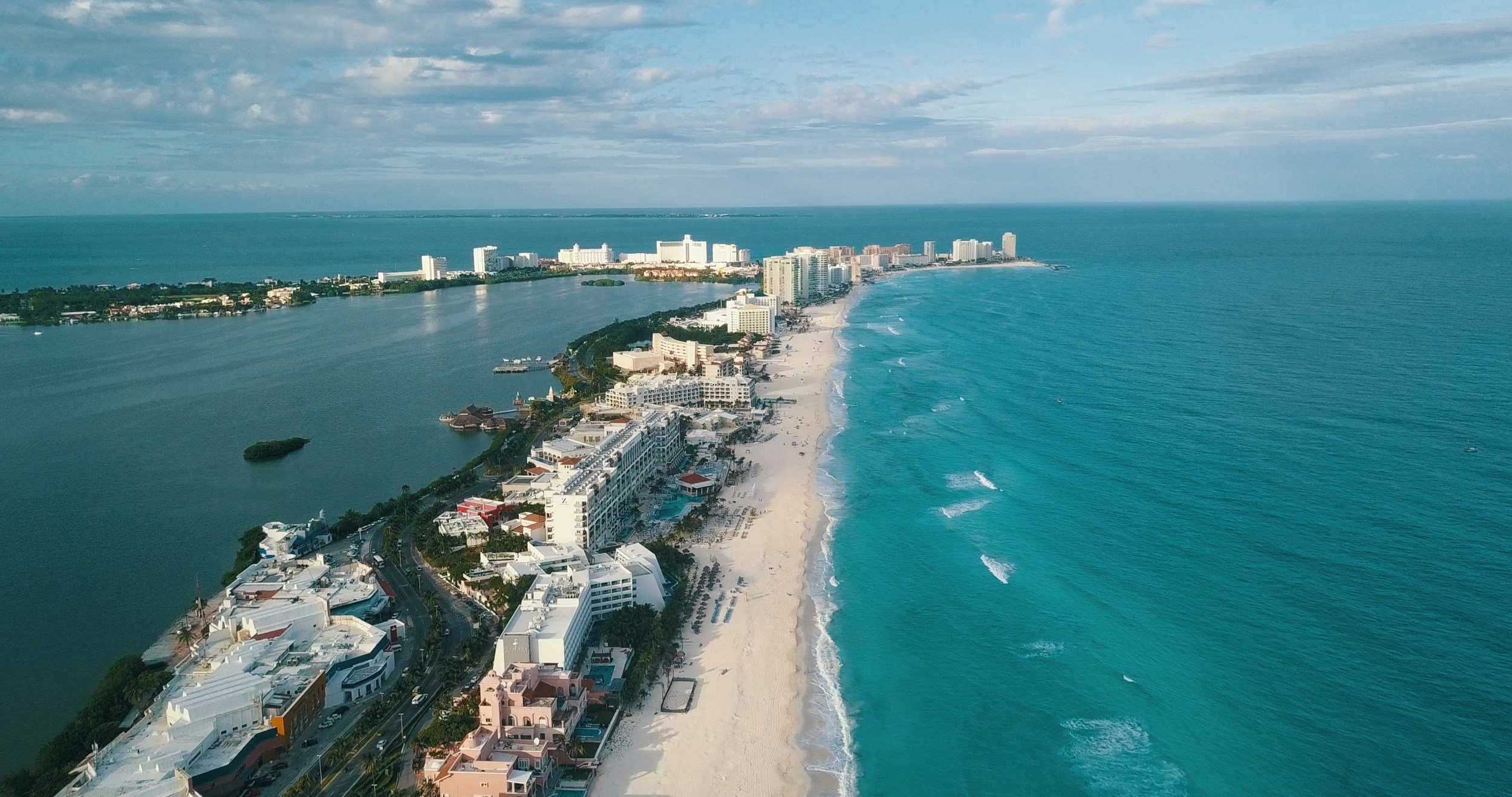
Whether you're dreaming of an oceanfront celebration in Los Cabos, a tropical setting along the Riviera Maya, or a weekend somewhere else entirely, destination weddings come with a few extra layers of planning that are easy to overlook when you're caught up in the excitement.
And honestly? Some of the most important details aren't the ones you'll see in your inspiration folder.
Here are 10 things couples often forget when planning a destination wedding — and why thinking about them early can make all the difference.

1. Your Guests Are Planning a Trip, Too
When you're planning a wedding at home, attending may mean a short drive and a hotel stay. For a destination wedding, your guests are coordinating flights, time off work, accommodations, transportation, and potentially passports or other travel documents.
That makes communication especially important.
Share the wedding date and destination as early as possible, followed by accommodation recommendations, travel information, and a general outline of the weekend. A wedding website can become a central place for everything guests need to know, from airport information to dress codes and scheduled events.
The goal is to make guests feel excited and prepared, rather than overwhelmed by the logistics.
A little advance planning makes it easier for everyone to say yes.

2. The Wedding Venue and the Guest Accommodations Are Two Different Decisions
A venue can be absolutely stunning, but that doesn't automatically mean it's the most convenient choice for your guests.
Before committing, consider where guests will stay, how far accommodations are from the ceremony and reception, and whether transportation will be needed between locations. If you're hosting a wedding weekend, think about how easily guests can move between events.
For weddings in Mexico, this may also mean comparing resort packages, room-block arrangements, minimum-stay requirements, and the different experiences available at nearby properties.
Your venue should work beautifully for your vision, but the overall experience should work for your guests, too.

3. Travel Time Isn't the Same as Wedding-Day Travel Time
A destination may look close on a map, but that doesn't always tell the whole story.
Airport transfers, resort check-in, traffic, venue access, and transportation between wedding locations can all affect your schedule. Even a short drive can take longer when you're moving a group of guests, coordinating multiple vehicles, or navigating an unfamiliar destination.
Build realistic travel time into the itinerary and confirm transportation arrangements well before the wedding.
If you're planning events at multiple locations, your planner can help coordinate timing so guests aren't rushing from one experience to the next.
Because nothing should feel hurried on a weekend designed for celebrating.

4. Your Wedding Weekend Needs a Rhythm
It's tempting to fill every moment with something memorable: a welcome party, a beach day, a rehearsal dinner, the wedding, a farewell brunch, and perhaps a few excursions.
But more events don't necessarily create a better guest experience.
Think about how the weekend will feel from your guests' perspective. Will they have time to settle in after traveling? Is there room to enjoy the resort, explore the destination, or simply relax between celebrations?
A thoughtful itinerary creates a natural rhythm, balancing planned experiences with time to enjoy being there.
You don't need to host every hour. Sometimes the most memorable part of a destination wedding is the unplanned afternoon spent together by the pool or over a long dinner.
5. The Weather Deserves a Plan B
An outdoor ceremony overlooking the ocean sounds idyllic — and it can be. But even in beautiful destinations, weather is something you need to plan around.
Depending on the location and season, you may need to consider heat, humidity, wind, rain, or changing evening temperatures. Coastal settings can be especially breezy, which can affect ceremony décor, candles, florals, and even certain hairstyles.
Ask your venue what backup options are available and how they would work if the original plan needs to change. Confirm when decisions about moving indoors must be made, who makes that call, and whether the alternative space can accommodate your guest count and design vision.
A Plan B shouldn't feel like a compromise. With the right planning, it can still feel intentional and beautiful.

6. Not Every Detail Can Be Brought From Home
Destination weddings often involve a combination of local vendors, venue-provided services, and selected items brought in from elsewhere.
Before finalizing your design, discuss what is available locally and what may require special ordering, importing, or additional coordination. This can apply to specialty rentals, linens, lighting, furniture, paper goods, and specific décor pieces.
For weddings in Mexico, ask about any applicable customs requirements, import restrictions, duties, and delivery logistics before planning around items that need to travel across borders. Requirements vary, so confirm them with the appropriate professionals rather than assuming everything can be shipped without complications.
A creative design plan should account for what is realistically available, when it can arrive, and how it will be installed.
Sometimes the most beautiful solution is one that incorporates local resources in a thoughtful, elevated way.

7. The Budget Includes More Than the Wedding Itself
It's easy to focus on the major numbers: venue, catering, florals, photography, entertainment, and attire.
But destination weddings can involve additional costs that aren't immediately obvious. Think transportation, guest activities, welcome gifts, additional event staffing, vendor travel, shipping, taxes, service charges, and contingency funds.
Depending on the venue and destination, some services may already be included in a package, while others are priced separately. Clarify exactly what's covered before comparing proposals.
It's also worth deciding early how much you want to invest in the overall guest experience. A welcome event, thoughtfully planned transportation, or a farewell brunch can add meaningful touches, but each should fit comfortably within the budget.
The goal isn't to spend more. It's to understand where the money is going so you can make intentional decisions about what matters most.

8. Vendor Logistics Need More Attention Than You Might Expect
A destination wedding brings together many moving pieces, often across different time zones, communication styles, and local operating practices.
Your photographer may need a detailed timeline. Your florist needs access to the venue for installation. Your entertainment team needs to understand the power requirements and performance schedule. Your rental team needs accurate delivery and collection times.
And all of those details need to work together.
Before the wedding, confirm vendor arrival times, setup windows, access restrictions, points of contact, and contingency plans. Make sure everyone is working from the same timeline and understands who is responsible for each part of the day.
This coordination is one of the less visible aspects of destination wedding planning, but it has a significant impact on how smoothly everything unfolds.

9. The Legal Requirements May Be Different From What You're Used To
Getting married abroad can involve requirements that differ from those in your home country or state.
Depending on the destination and the type of ceremony, you may need specific documents, translations, appointments, witnesses, or other formalities. Requirements can also vary depending on nationality and residency.
For couples planning a wedding in Mexico, it's important to determine early whether you want a legally recognized civil marriage in Mexico or a symbolic ceremony there after completing the legal marriage at home.
Neither option is inherently better. The right choice depends on your circumstances, preferences, and the applicable legal requirements.
Confirm the current rules with the relevant local authorities or a qualified professional well in advance. Don't leave paperwork until the final weeks of planning.

10. You Need Someone Looking at the Entire Picture
When you're planning a destination wedding, it's easy to become focused on individual details: the perfect venue, the flowers, the menu, the music, the guest gifts.
But the real experience is created by how all of those details work together.
Does the ceremony timing allow for the light you want in your photographs? Does the transportation schedule support the event timeline? Does the reception design make sense for the space? Does the weekend feel cohesive without being over-scheduled?
These are the questions that connect the individual decisions into one thoughtful celebration.
A destination wedding planner helps bring those moving pieces together, anticipate potential challenges, coordinate the vendors, and keep the overall vision in view while managing the details behind the scenes.
And perhaps most importantly, a planner gives you the space to experience the wedding you've spent so much time imagining, rather than feeling responsible for managing every part of it.
The Details You Forget Can Make the Biggest Difference
A destination wedding should feel exciting from the moment you begin planning through the final farewell. And while the setting may be what first captures your imagination, it's often the details behind the scenes that determine how the experience actually feels.
Thoughtful communication, realistic timelines, a well-considered budget, and a team that understands the destination can help transform a beautiful location into a celebration that feels personal, seamless, and entirely your own.
You don't have to anticipate every challenge yourself. You just need a plan that accounts for the big picture and the little things in between.
Planning a destination wedding in Mexico?
From selecting the right setting to coordinating the details that bring your wedding weekend together, I help couples create celebrations that feel considered, personal, and effortless.
Let's talk about the experience you're envisioning and how we can bring it to life.